
Ride, Ramble, Return: Car‑Free Adventures in the Lake District

Today we explore using buses and trains to access circular Lake District walks, stitching rail platforms and bus stops to beautiful trailheads. Discover how timetables unlock freedom, how loops return you calmly to transport, and how car‑free choices create slower, richer, lower‑carbon days.

Start Smart: Planning Seamless Connections from Platform to Path

Link your day with clarity by aligning first departures, interchange windows, and daylight hours, so every footstep supports the next connection. With a printed fallback plan and offline maps, you’ll transform wait time into coffee, views, and unrushed curiosity at the stop.

Map the Links, Not Just the Miles

Start with a high‑level sketch showing rail arrival, bus transfer, and a circular loop that ends near the original stop. Add buffer minutes generously, note last services, and highlight café, shelter, or landmark options if weather delays reshape your timing.

Pick Circular Trailheads Close to Stops

Choose loops beginning within a short stroll of the platform or stop, reducing faff and maximizing mountain time. Consider lakeside circuits, fell‑side terraces, and woodland tracks that elegantly rejoin your start, keeping return logistics simple even when legs feel loyally tired.

Gateways That Make Walking Easy

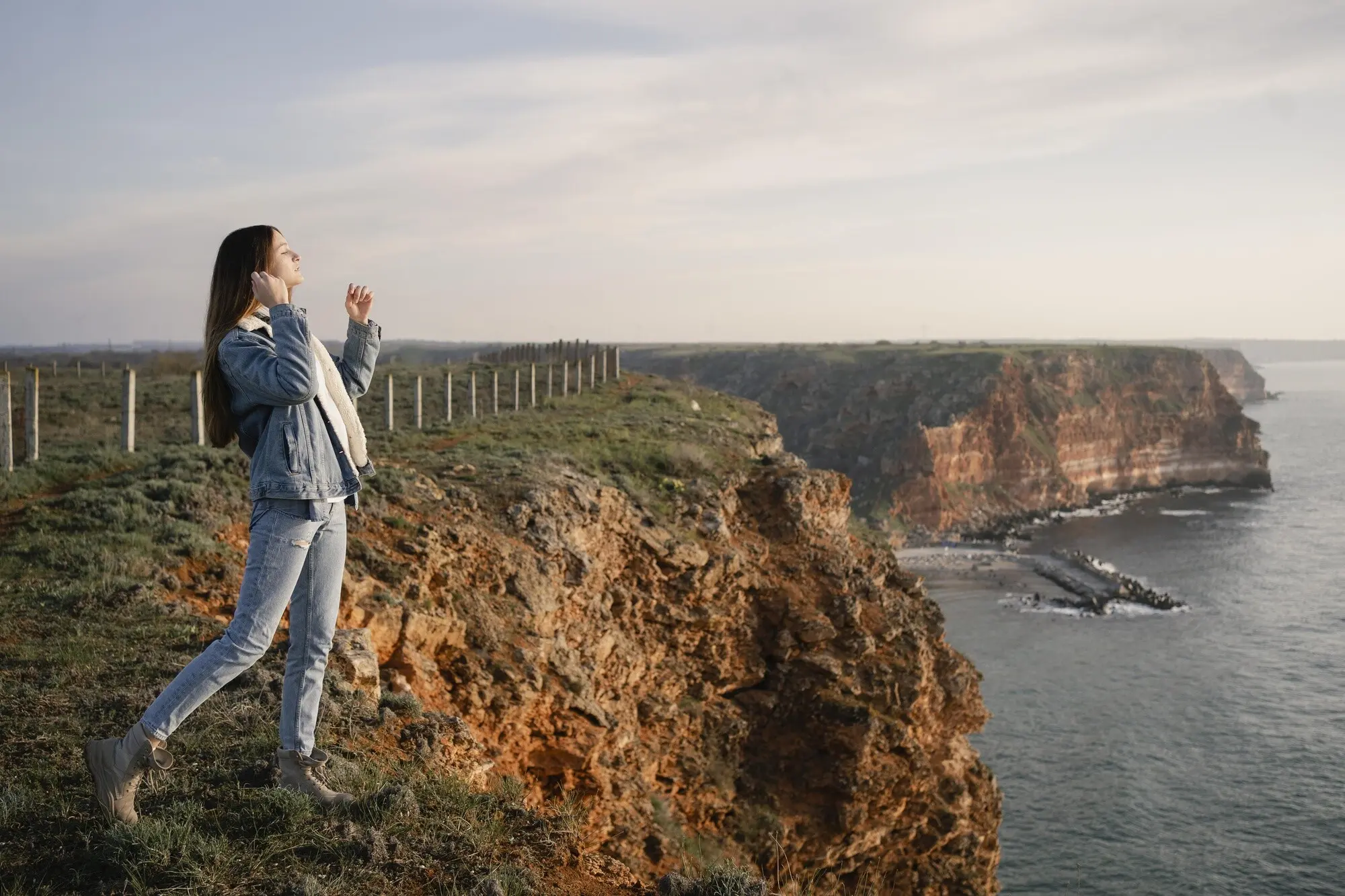
Some stations and bus hubs place you wonderfully close to shorelines, gentle valleys, and classic ridge circuits. By understanding these gateways, you can improvise confidently, swap loops if clouds descend, and still finish beside a friendly shelter, bakery, or returning connection.

Three Sample Days You Can Ride and Stride
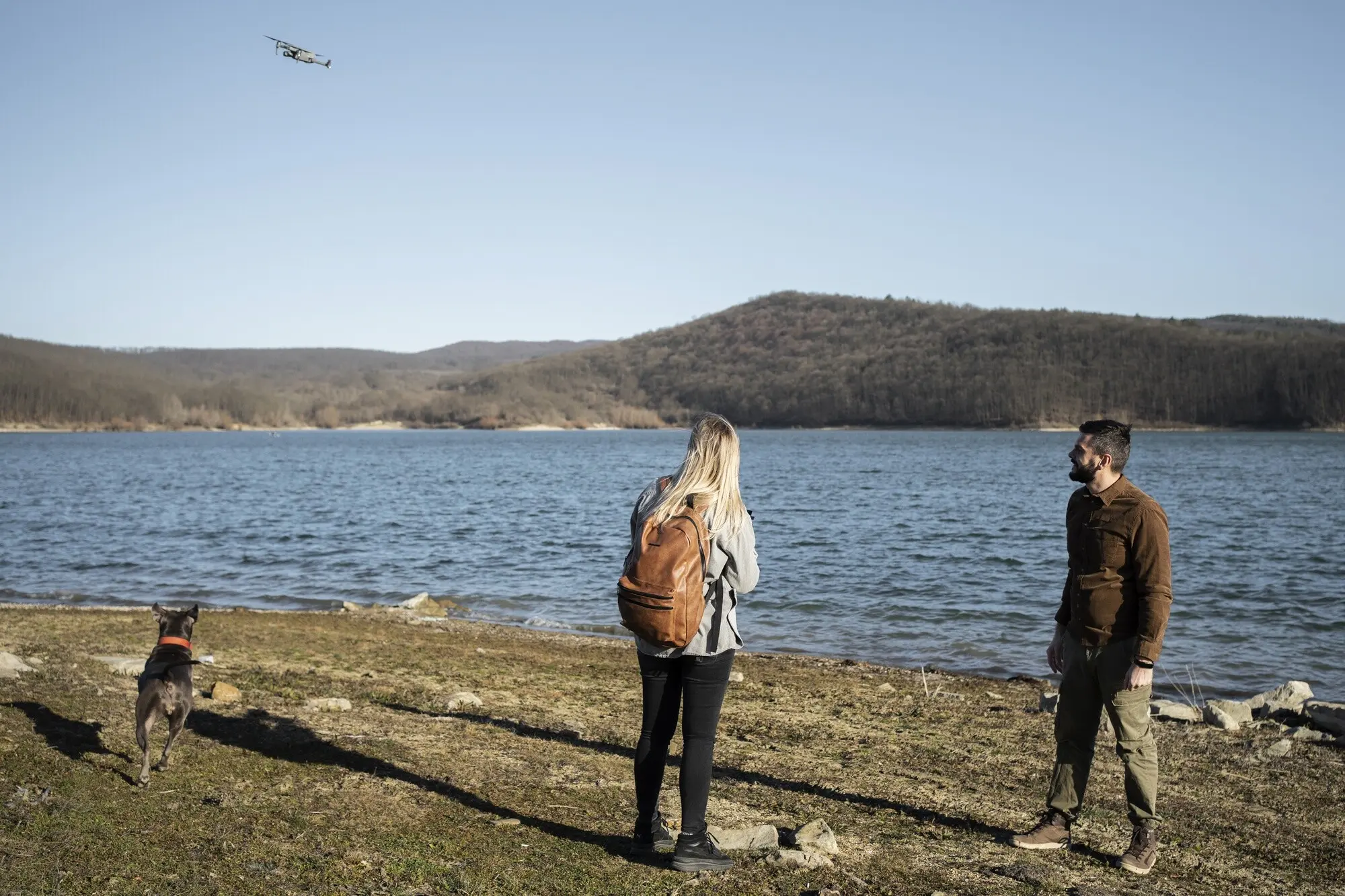
Use these imaginative sketches as inspiration, not rigid prescriptions. Times shift, skies transform, and energy ebbs. The joy lies in choosing a loop that suits today, balancing appetite for height with easy returns, good cafés, and dependable journeys back to base.

Pack Light, Move Right: Gear and Etiquette

Leave heavy kit at home and focus on compact, multi‑use items that respect fellow passengers and changing hills. Thoughtful packing keeps aisles clear, boots dry‑bagged, snacks accessible, and morale high when a shower arrives or a surprise viewpoint invites lingering.

Stay Flexible: Safety, Timing, and Plan B

Success loves calm decisions. Build in buffers, carry a warm layer for stands at windswept stops, and commit to turning back early if schedules tighten. A flexible mindset protects joy, scenery, and safety, while still delivering proud miles and memorable photos.

When a Bus Is Late, Your Calm Arrives Early

When services slip, choose patience over panic. Message companions, sip water, stretch calves, and scan notices for extras. Many networks add relief runs after events or weather. If not, your backup loop and earlier pickup point will feel wonderfully wise.

Weather Windows, Escape Routes, and Wise Turnarounds

Study contour lines with an eye for sheltered returns, forest cover, and bridges that keep feet dry. Pre‑decide wind limits for ridges, and rehearse phrases like not today, so pivoting feels strong rather than disappointing when squalls muscle through.

Stories That Prove the Journey Works

Real moments reveal why this approach delights. It slows the rush, invites conversations, and multiplies viewpoints from bus windows, ferry decks, and station benches. Share your stories or questions in the comments, and subscribe for fresh itineraries and seasonal schedule updates.

A Driver’s Tip that Saved Our Picnic

A cheerful driver once suggested alighting one stop earlier for a riverside picnic bench hidden from the wind. That tiny nudge reshaped the whole loop’s mood, adding laughter, longer pauses, and an easy stride that carried happily all the way home.

The Fog Lifted, the Train Arrived, and Spirits Soared

On a misty morning, we followed rail to valley, then rose gently as clouds lifted like a curtain. Peaks appeared in generous stages, and the return connection felt like a standing ovation, right on cue, as boots tapped gratefully aboard.