
Wander Easy: Inclusive Car‑Free Paths Across Cumbria
Today we’re celebrating accessible, low‑gradient, car‑free walks for all abilities in Cumbria, spotlighting gentle riverside tracks, lakeside loops, and forest trails you can reach by train, bus, or ferry. Expect practical guidance, lived experiences, and warm encouragement to explore confidently, comfortably, and sustainably.
Arrive Without Driving: Trains, Buses, and Ferries That Open the Door
Cumbria welcomes car‑free explorers with reliable rail lines, scenic buses, and lake ferries linking towns to trailheads. Step‑free stations at Oxenholme Lake District, Windermere, Carlisle, and many Cumbrian Coast Line stops ease boarding, while frequent Stagecoach routes, like the 555 between Lancaster, Kendal, Ambleside, Grasmere, and Keswick, place you minutes from gentle paths. Ferries on Windermere connect to level lakeside tracks, reducing stress and making arrivals calm, predictable, and inclusive.
Gentle Routes to Start With

Keswick Railway Trail to Threlkeld
Reborn after floods, this much‑loved multi‑use trail follows the River Greta over elegant bridges, offering long, gentle gradients and wide, level surfaces. Wayfinding is reassuring, benches appear at kind intervals, and access from Keswick’s centre is straightforward by bus. Many users enjoy out‑and‑back flexibility, turning whenever energy suggests. Expect birdsong, dramatic gorge glimpses, and that quiet satisfaction of rolling or walking without kerbs, traffic noise, or sudden climbs intruding on conversation.

Windermere’s West Shore to Wray Castle
Step off the ferry at Ferry House and follow a broad, mostly level lakeside track through dappled woodland to Wray Castle. The surface is compacted stone, friendly to sturdy wheels and steady strides. Views of fells ripple across the water while picnic spots invite unhurried breaks. Facilities at Brockhole or Wray often include cafés and accessible conveniences, and boat links or buses can return you without retracing every step, keeping energy pleasantly balanced.

Tarn Hows Lakeside Circuit
Beloved for good reason, this National Trust circuit is short, scenic, and thoughtfully maintained, with undulating but gentle gradients and firm surfaces. Lakeside vistas and islands create constant interest, while frequent benches and clear signage help pacing and orientation. Trampers are sometimes available to pre‑book, widening possibilities for wheelchairs and mobility aids. Accessible parking and toilets near the start reduce logistics, allowing more time for photographs, bird calls, and companionable, unhurried conversation.
Surfaces, Gradients, and Comfort Underfoot
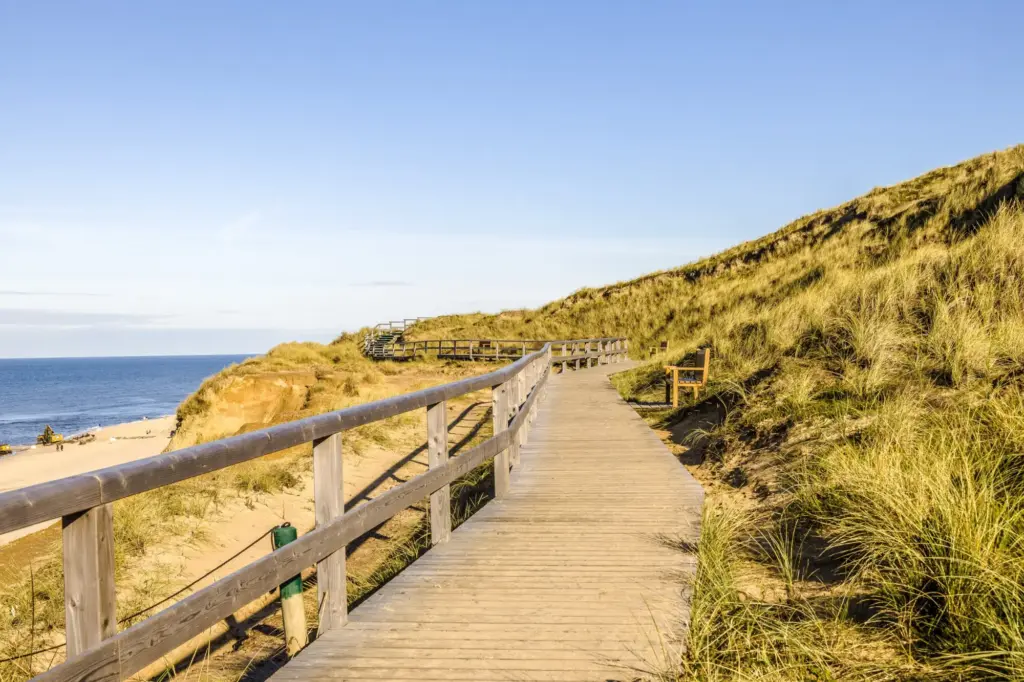
Confidence grows when you know what lies ahead. Cumbria’s inclusive paths commonly use compacted gravel, tarmac, and boardwalks, holding to forgiving gradients where sustained inclines are rare. Understanding width, camber, cross‑fall, and turning circles helps wheelchairs, mobility scooters, and pushchairs feel welcome. With simple planning—maps, elevation profiles, and recent local reports—every step or roll becomes comfortable, dignified, and delightfully focused on scenery rather than obstacles underfoot or surprises around the next bend.

Reading Maps and Profiles Without Jargon
Ordnance Survey maps and simple elevation charts translate terrain into clear expectations. Look for long, shallow contour spacing, riverside lines, and disused railway marks that signal forgiving gradients. The Lake District’s “Miles Without Stiles” listings are invaluable, publishing width, surface, and barrier information. Pair a digital map with a paper backup, note escape points and bus stops, and choose routes with waymarkers, so navigation melts into the background while attention rests on views and companionship.
Mobility Aids, Camber, and Turning Space
Small details matter greatly: a gentle camber can tug wheels, a tight gate can frustrate, and a sudden lip can jar wrists. Measure doorway widths on route descriptions, check turning spaces at viewpoints, and consider tyres with tread for wet gravel. Trampers and all‑terrain wheelchairs are often available at sites like Tarn Hows or forest centres when pre‑booked. With the right setup, rolling feels steady, shoulders relax, and the landscape returns to centre stage.

Facilities That Make Days Easier
Comfort powers confidence. Across Cumbria, accessible toilets, Changing Places facilities, cafés with level entries, and frequent resting spots make long, low‑effort days possible. Many lakeside hubs—Windermere, Ambleside, Keswick, and Carlisle among them—provide dependable services near bus stops and piers. Pair these with refill points, indoor options for rainbursts, and clear return‑journey plans, and you nurture calm energy all day, transforming practical needs into steady supports for memorable, gentle exploration together.

Planning for Mixed Abilities and Pacing Together
Begin with the end in mind: choose out‑and‑back routes with frequent benches, set turnaround times rather than distances, and celebrate early pauses. Appoint a gentle pace‑setter and a cheerful sweeper, keeping group awareness inclusive. Check access notes for gates, gradients, and surface changes, and build in choice points to split temporarily if needed. With compassion up front, no one feels hurried, everyone feels valued, and the path itself becomes a setting for mutual care.
Sensory‑Friendly Choices and Quieter Moments
For those sensitive to noise or crowds, earlier starts and shoulder seasons offer quieter paths and softer soundscapes. Forest tracks mute bustle, lakeshores carry calming water sounds, and birdsong rewards unhurried pauses. Ear defenders or familiar playlists can soothe transitions at busy piers. Plan recovery spaces—quiet cafés, sheltered viewpoints—where breaths lengthen and attention resets. With gentle choices, days feel unforced and welcoming, allowing each person to engage as they comfortably wish.
Stories, Itineraries, and Joining In
A Morning on the Keswick Trail: Three Generations, One Path
A grandmother’s lightweight wheelchair rolled easily beside her daughter and grandson along the River Greta, pausing at a bench where a dipper flashed white among stones. A friendly cyclist slowed, offered space, and traded trail tips. They turned back happily at a bridge, energy intact, café in sight, with that rare feeling of having done something simple, beautiful, and completely shared—no car park stress, no steep tests, only conversation and bright river light.
A Ferry, Two Buses, and a Castle: A Seamless Day Out
Start by train to Windermere, bus to Bowness Pier, then ferry across to Ferry House. Stroll the level shore to Wray Castle, enjoy a gentle picnic, and catch a boat to Ambleside Waterhead if operating. Bus the scenic 555 to Keswick for a short, relaxing stretch on the Railway Trail, then return at your own pace. Each link is straightforward, each view unhurried, and the day ends amazed at how easy it all felt.
Share, Subscribe, and Shape the Next Walk
Tell us about your favourite low‑gradient, car‑free Cumbrian route, including surface notes, benches you loved, and access wins that made the difference. Post questions, request comparisons, or ask for public‑transport‑first itineraries tailored to your starting station. Subscribe for fresh routes, seasonal ideas, and small planning checklists. Your feedback sparks better guidance for everyone, expanding gentle, welcoming choices and helping more people step outside with calm confidence, inclusive company, and reliable comfort.
All Rights Reserved.